How to Photograph Country Scenes: Tips for Capturing Rural Beauty
Photography is one of the best ways to capture and share the beauty of the British countryside. Whether you're using a smartphone or a dedicated camera, these practical tips will help you take better rural photographs.
Light is everything. The golden hours—shortly after sunrise and before sunset—provide warm, directional light that flatters landscapes. Avoid shooting at midday when the sun is overhead, as this creates harsh shadows and washed-out colours. On overcast days, the soft, diffused light is perfect for woodland and moorland photography.
Composition matters more than equipment. Use the rule of thirds: imagine your image divided into nine equal parts and place interesting elements along these lines rather than dead centre. Include foreground interest—wildflowers, a fence, or a stream—to draw viewers into the photograph. A clear focal point, whether a barn, tree, or distant hill, helps structure your image.
Seasons offer different opportunities. Spring brings lambs, blossoms, and fresh green growth. Summer offers lush colours and long daylight hours. Autumn provides golden light and dramatic colour changes. Winter reveals landscape structure stripped of leaves, with frost, snow, and low-angle light creating drama. Plan shoots around seasonal features that interest you.
Weather adds character. Don't wait for perfect sunshine. Dramatic clouds, mist rolling through valleys, and rain-soaked fields create mood and atmosphere that clear skies sometimes lack. Some of the most striking countryside photographs are taken in challenging weather.
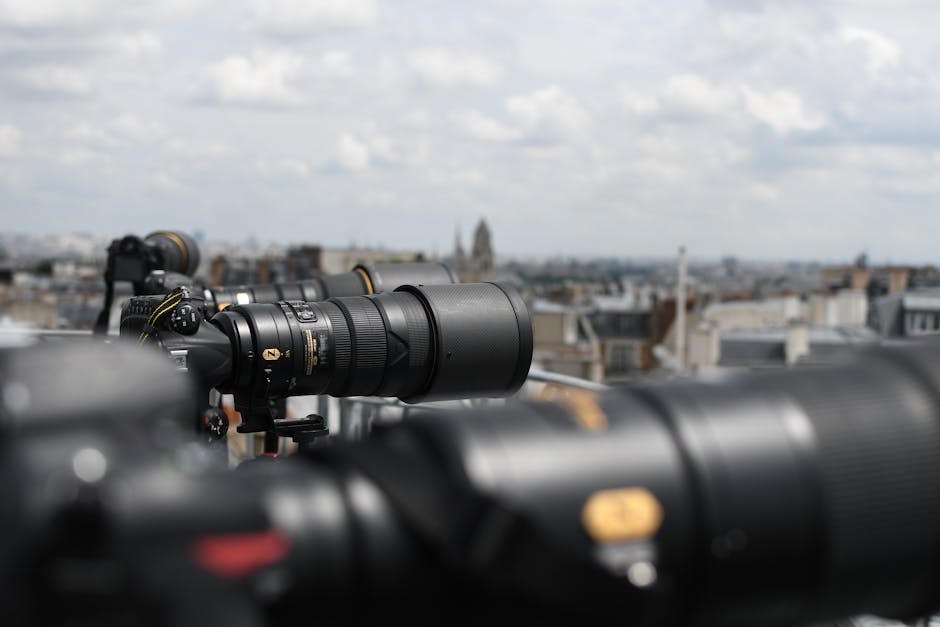
Wildlife requires patience and distance. Use a telephoto lens if you have one, and approach animals slowly and quietly. Early morning is best for active wildlife. Remember that UK wildlife is often shy—sometimes the best shots come from photographing from a distance with good optics rather than getting close.
Respect private property and access. Many beautiful rural scenes are on private land. Always seek permission before crossing fields or photographing farms. Use designated footpaths and respect farm gates and boundaries. Consider the farmer's perspective—they're managing the landscape you're photographing.
Tell a story. The most compelling country photographs show something happening: sheep being herded, hay being cut, children exploring a wood, or seasonal changes unfolding. Context and human activity often make images more engaging than empty landscapes alone.
Start with these fundamentals, practice regularly, and develop your own style. The British countryside rewards patient observation and thoughtful photography.