Preserving Rural Heritage: Historic Buildings and Landscapes Worth Visiting
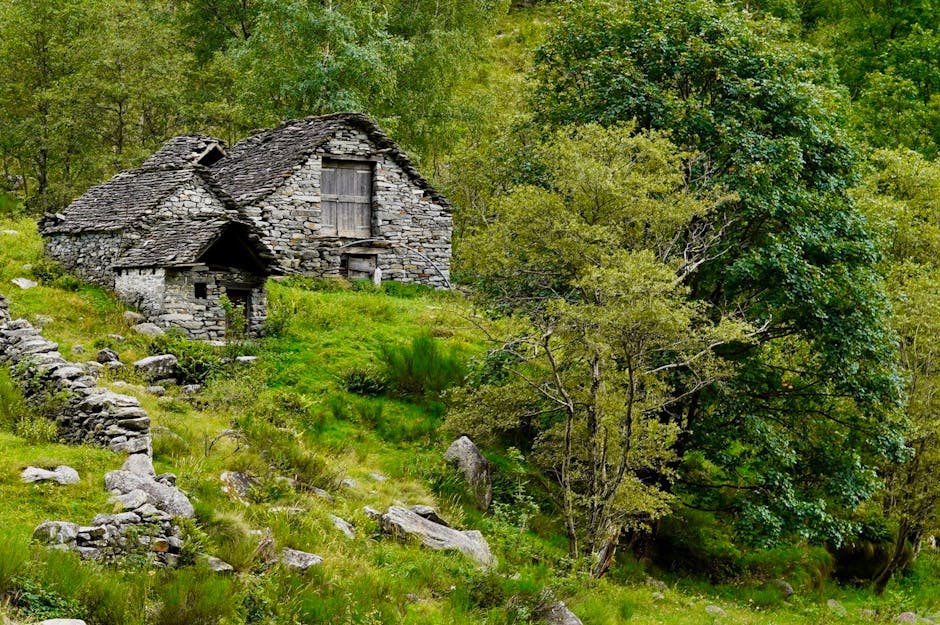
Rural Britain is a living museum of history, with ancient monuments, historic buildings, and traditional landscapes offering insights into centuries of human activity. Visiting and understanding these heritage sites enriches countryside experience and supports their preservation.
Ancient monuments dot the landscape. Stone circles like Stonehenge and countless smaller examples mark prehistoric ritual sites. Hillforts crown ridges across southern Britain, revealing Iron Age settlement patterns. Roman roads still form the basis of modern routes. Medieval castles, monasteries, and churches dominated the medieval landscape—many villages grew around these centres. Bronze Age burial mounds (barrows) and standing stones create visual markers across moorlands and chalk downlands.
Historic buildings reveal social structures. Manor houses and estates show how landowners controlled rural areas. Parish churches, often the oldest buildings in villages, reflect centuries of community worship and craftsmanship. Farmhouses, many dating to medieval times, demonstrate how rural families lived and worked. Barns, mills, and workshops show traditional industries. Humble cottages reveal how ordinary people lived, often in conditions modern visitors find surprisingly humble.
Industrial heritage is significant. Disused mines, quarries, and mills shaped landscapes and economies. In Wales and northern England, slate quarries carved into mountainsides. Cornwall's tin and copper mining created distinctive landscape scars. Mills harnessed water power for grinding grain or processing cloth. These sites tell stories of labour, innovation, and economic change.
Landscape features encode history. Ridge and furrow patterns in fields show medieval ploughing systems. Terraced hillsides indicate centuries of cultivation. Ancient woodlands, often recognisable by diverse native trees and woodland flowers, represent continuous woodland since medieval times. Ponds and water features frequently mark monastic sites or medieval fish farms. Hedgerow composition reveals planting dates and management history.
Visiting heritage sites thoughtfully matters. Many are on private land—seek permission before exploring. English Heritage and the National Trust manage numerous sites with visitor facilities. Local history societies offer guided walks explaining local heritage. Volunteering with conservation organisations helps preserve sites whilst learning their stories.
Photography and recording help preservation. Documenting buildings, landscapes, and archaeological features creates records valuable if sites deteriorate. Local history groups often welcome contributions to community archives.
Support heritage preservation. Membership in conservation organisations funds maintenance. Visiting paid heritage sites generates income for upkeep. Buying from heritage shops and cafes supports communities. Sharing knowledge about local heritage raises awareness and appreciation.
Rural heritage isn't merely historical—it shapes modern landscapes and communities, making these connections visible and meaningful.