Rural Tourism in the UK: Where to Visit and What to Expect
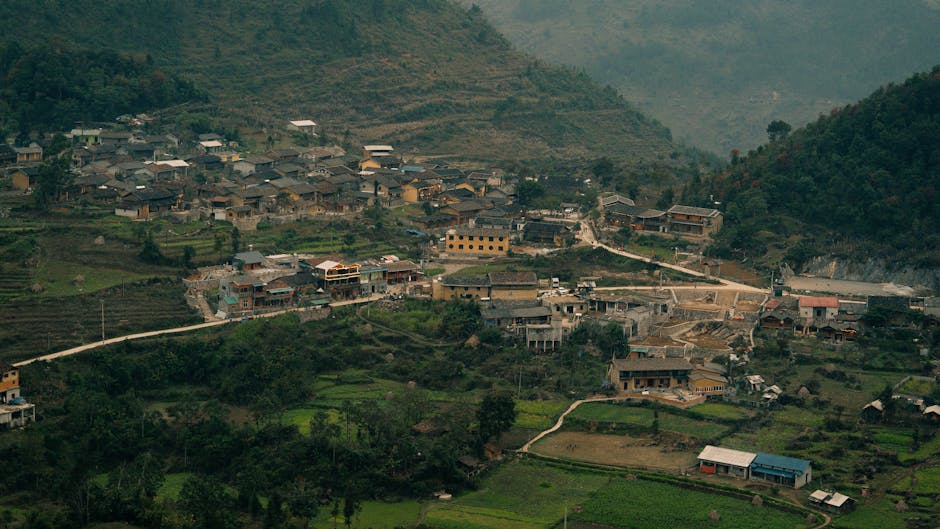
The British countryside attracts millions of visitors annually, and for good reason. Rural tourism offers everything from dramatic landscapes to charming villages and authentic cultural experiences. Here's what you need to know about visiting rural Britain.
Major countryside regions each have distinct character. The Cotswolds offer honey-coloured villages and rolling hills, particularly around towns like Bourton-on-the-Water and Chipping Campden. The Lake District combines spectacular mountains with literary heritage and outdoor activities. Cornwall's coastal countryside blends dramatic cliffs, beaches, and fishing villages. The Scottish Highlands provide vast, wild landscapes and challenging walking terrain. The Welsh countryside offers mountains, valleys, and strong cultural identity.
Accommodation varies widely. Traditional bed and breakfasts offer personal service and local knowledge. Farmstays let you experience working agriculture firsthand—your hosts can explain seasonal activities and introduce you to rural life. Country hotels provide more formal facilities whilst maintaining rural character. Holiday cottages offer independence and are ideal for families or groups. Many villages now offer glamping (glamorous camping) for those seeking rural experience with modern comfort.
Activities depend on your interests. Walking and hiking are central to rural tourism, with countless marked trails of varying difficulty. Cycling routes range from gentle country lanes to challenging terrain. Fishing, birdwatching, and wildlife spotting appeal to nature enthusiasts. Cultural visitors enjoy historic houses, churches, and museums. Foodies seek farm shops, farmers markets, and restaurants using local produce. Adventure activities like rock climbing, kayaking, and mountain biking operate in suitable regions.
Practical considerations matter. Rural areas are less densely served by public transport than towns. A car is often essential, though some villages have good bus connections. Shops and services are less frequent—stock up on supplies, particularly on Sundays when many rural businesses close. Mobile signal can be patchy in remote areas. Accommodation should be booked in advance, especially during summer and school holidays.
Respect rural communities. Visitors are welcomed, but remember these are living, working landscapes. Close gates after you, stay on marked paths, and don't disturb livestock. Farming continues regardless of tourists—understand you're visiting someone's workplace. Support local businesses by eating in village pubs and buying from local shops rather than supermarkets.
Best times to visit depend on your preferences. Spring and early summer offer pleasant weather and active wildlife. Autumn provides stunning colours and fewer crowds. Winter attracts those seeking solitude and dramatic weather, though some accommodation closes seasonally.
Rural Britain rewards patient exploration and respectful engagement with landscape and community.